

Understanding target drop tests
Discover how controlled target reaction testing can measure the precise impact of arrow flight time and target movement on your point of impact. At PNL Testers, we provide data-driven insights to help archers understand these critical dynamics.

Why conduct a target drop test?
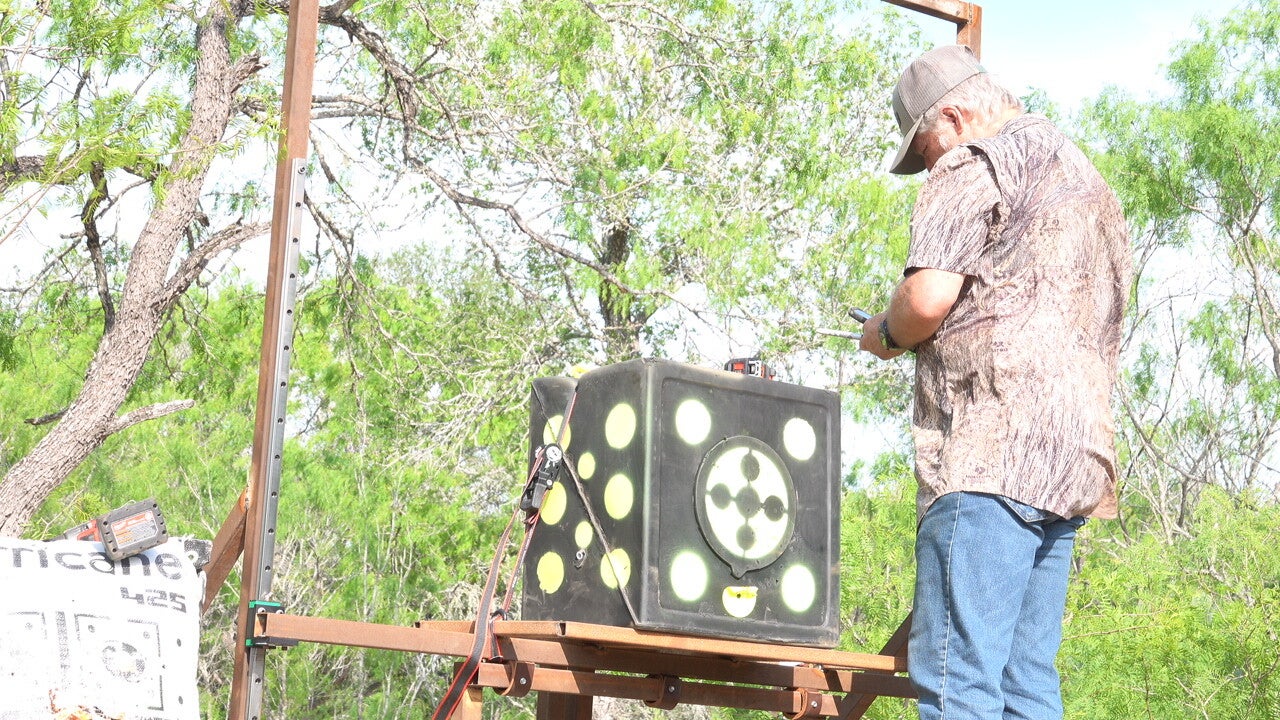
A target drop test allows archers to precisely measure how arrow time of flight and target reaction timing can alter the point of impact. By utilizing controlled target movement and meticulously measured arrow flight data, this test eliminates many real-world variables, isolating the fundamental physics of reaction timing. This process clearly demonstrates how arrow speed, flight time, and target movement interact under repeatable conditions, offering invaluable insights for optimizing your shot.
Benefits of target drop testing
Visitors to PNL Testers will gain a profound understanding of how reaction timing, arrow speed, and time of flight collectively influence the point of impact. Our controlled testing provides measured, repeatable data that vividly illustrates how target movement during arrow flight can affect arrow placement. The primary goal is to deliver physics-based insights derived from controlled testing conditions, moving beyond assumptions or subjective opinions to provide clear, actionable information.
Key insights from our testing
The most crucial aspect of our target drop testing is its foundation in controlled, measured conditions. Every element—arrow flight time, target drop timing, and changes in impact point—is precisely measured and entirely repeatable. The specific purpose of this testing is not to predict every real-world animal reaction. Instead, it is designed to isolate and clearly demonstrate how reaction timing during arrow flight can significantly influence the arrow's final impact location.

Physics-based analysis using measured arrow time-of-flight data and controlled target reaction timing to demonstrate how target movement during arrow flight can alter point of impact under repeatable conditions.
Using measured flight-time data and controlled target movement, this study demonstrates how small timing changes measured in milliseconds can significantly affect impact location prior to arrow impact.